
 Language

A checkout page can be technically excellent and still leave a shopper uncertain. A late shipping charge, unclear delivery timing, size doubt, return anxiety, or an ineligible coupon can interrupt a purchase that seemed almost complete.
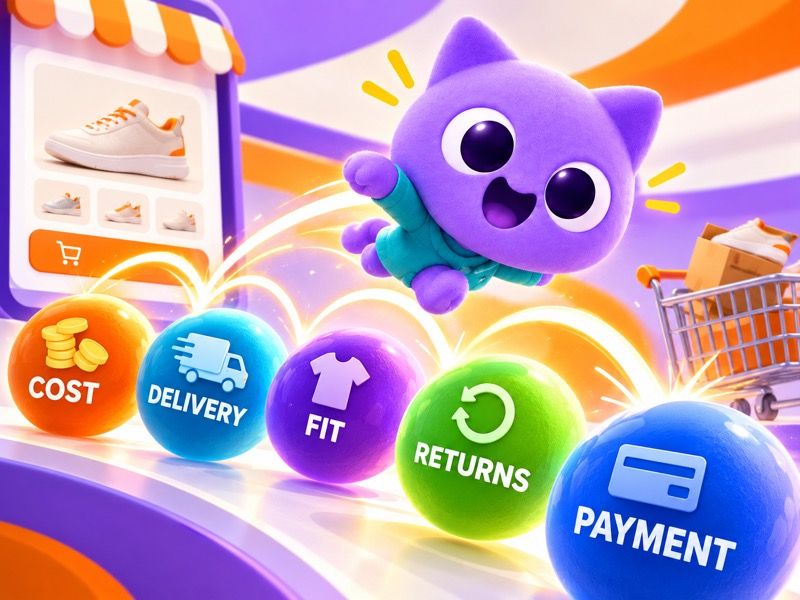
Checkout rescue should address the blocker that is actually present. The job is not to fire a generic “Wait! Here's 10% off” message at every exit. Shopify's checkout optimization guide treats cost transparency, delivery, payment, mobile usability, and recovery as distinct parts of the experience. A conversational intervention should be equally specific.
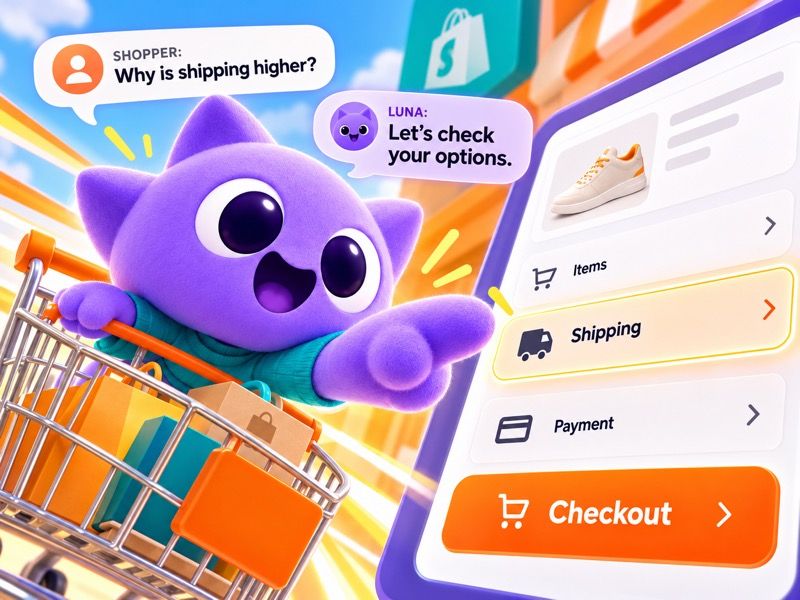
Conversation 1: “Why is shipping more than I expected?”
Check the cart, destination, shipping method, and current thresholds. Explain the applicable charge without pretending it can be waived. If a free-shipping threshold exists, show the exact eligible gap and let the shopper decide whether adding a genuinely useful item makes sense. Our Shopify free-shipping threshold guide covers the economics and customer experience behind that choice.
Conversation 2: “Will it arrive by Friday?”
Read the delivery promise that applies to the selected destination and method. If the source cannot confirm a date, say so and offer a human check. A friendly guess is still a broken promise if the parcel arrives late.
Conversation 3: “What if this size is wrong?”
Bring the size chart, fit notes, and return or exchange policy into the conversation. Ask one clarifying question if it changes the recommendation. Do not imply a guaranteed fit from insufficient data. A shopper who selects the right size—or chooses to wait for advice—may be better served than one pushed into a rushed order.
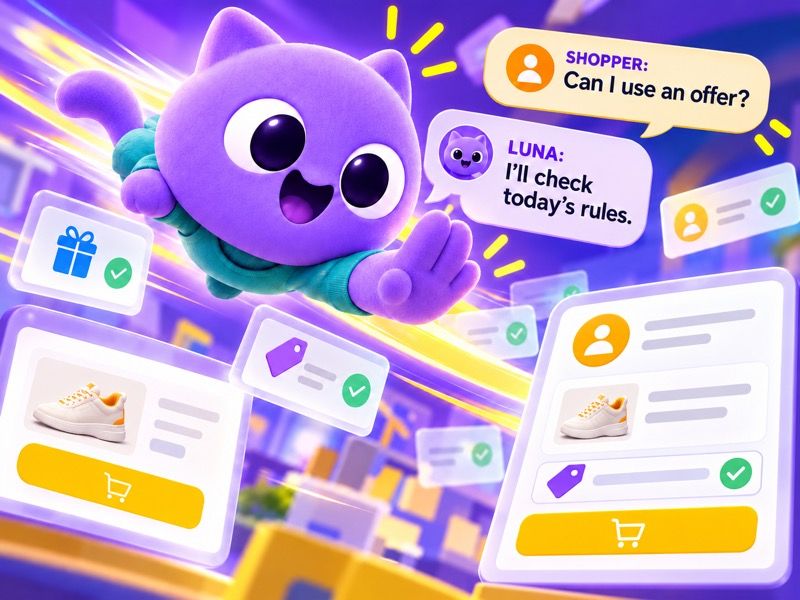
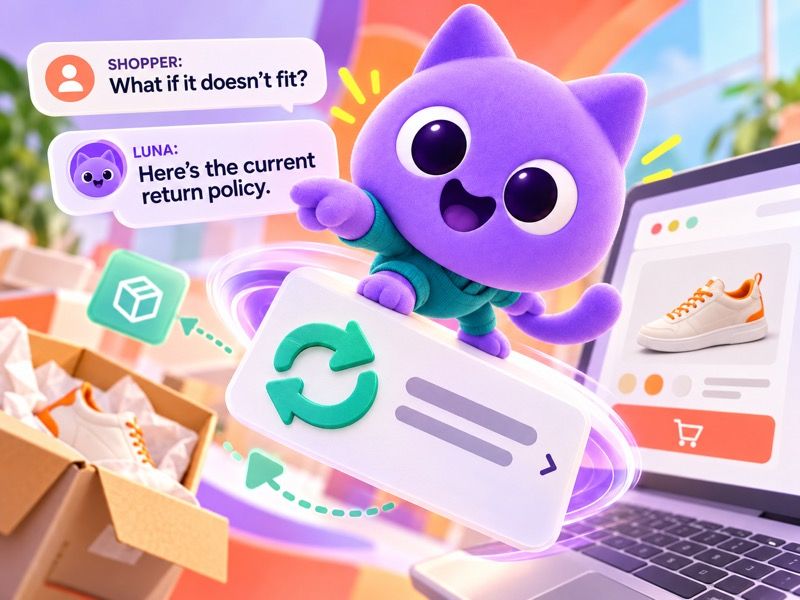
Conversation 4: “Can I return it?”
Answer from the store's current policy, including conditions for sale items, opened goods, or regional exclusions. Link to the policy. If the case might need an exception, transfer it with context. Upsello's proactive AI reassurance article explores how resolving purchase risk differs from simply repeating a slogan about trust.
Conversation 5: “Does this promotion apply?”
Check dates, codes, product exclusions, customer eligibility, and stacking rules. Explain the outcome. Never invent a replacement coupon. A controlled offer is useful only when merchant-approved and appropriate to the unresolved issue.
Keep checkout recovery distinct from abandoned-checkout messaging
Upsello's existing AI checkout recovery guide covers real-time hesitation and exit intent in depth. A later abandoned-cart conversation has a different timing and often different consent requirements. Merchants should decide which system speaks at each point and suppress messages after an order is complete.
Measure more than a recovered-order count: whether the question was answered correctly, whether checkout resumed, whether a discount was necessary, and whether the order later generated a return, refund, or repeat support contact. If possible, compare against eligible shoppers who did not receive the intervention.
Takeaway: Rescue the decision, not just the cart. Diagnose the actual hesitation and give the smallest truthful next step.
CTA: See Upsello's checkout-recovery approach or speak with the team.


