

A shopper puts a product in the cart and leaves. That does not tell you why. They may be comparing alternatives, waiting for payday, interrupted by a call, surprised by shipping, or simply done for now. Treating every pause as an invitation to chat creates noise—and sometimes harms the experience you hoped to improve.
The useful question is not “How soon can the AI message?” It is “What evidence says help would be relevant now, and what should prevent a message?”
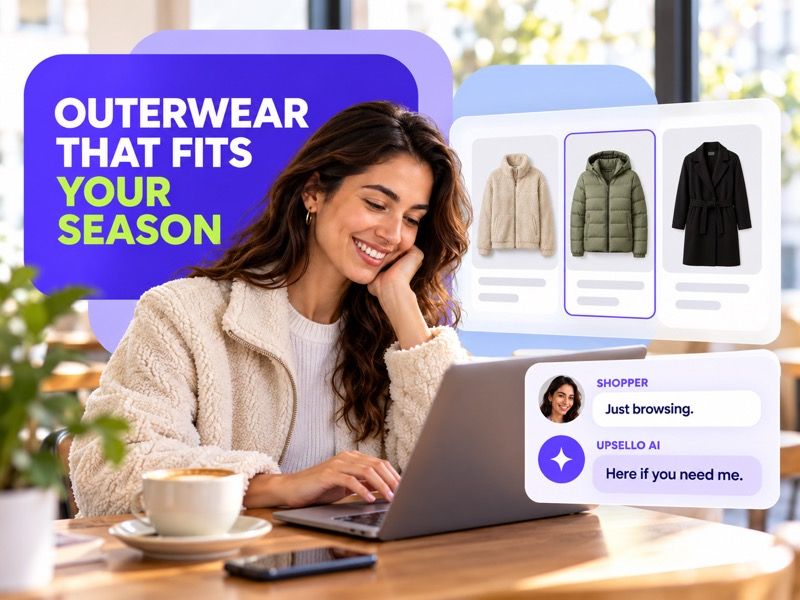
Separate three different moments
Before checkout: The shopper is still exploring. Guidance may be useful if they ask a question, compare products repeatedly, or revisit fit information. A large abandonment warning is premature.
During checkout hesitation: The shopper may be stuck on cost, delivery, policy, or payment. A short, contextual answer can be appropriate while the issue is still active. Upsello's existing checkout-recovery guide covers this live moment.
After an incomplete checkout: A permitted reminder may bring the shopper back later. Shopify's abandoned-checkout help documentation explains that abandoned checkouts have their own conditions and channel limitations. Storefront chat, email, SMS, and other outreach should not be treated as interchangeable permissions.
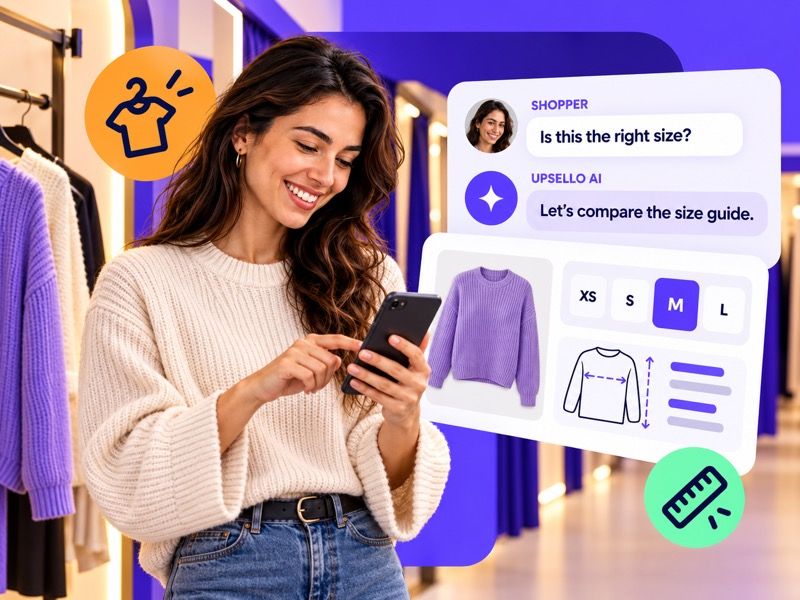
Build suppression into the plan
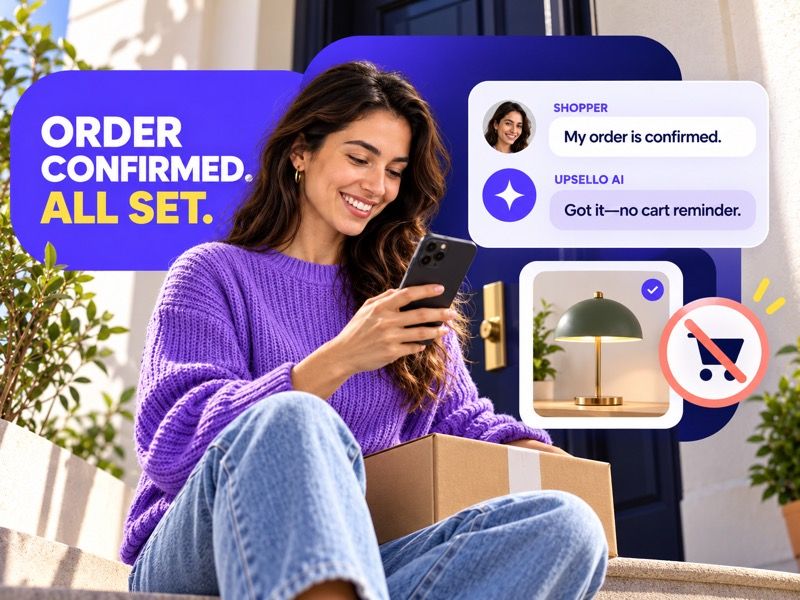
An AI sales agent should stay quiet when the signal is weak, when the shopper has dismissed help, when another message was just shown, or after a completed order. It should also suppress a promotion if the customer is ineligible, the product is unavailable, or the offer would conflict with another campaign. Respect the store's consent settings and the rules of the channel before any off-site follow-up.
These rules are not a retreat from proactive selling. They make relevant help more credible. A shopper who has already asked “Does this run small?” may appreciate a size-chart answer. A shopper who has not expressed a concern may prefer to keep browsing.
Decide what the message is for
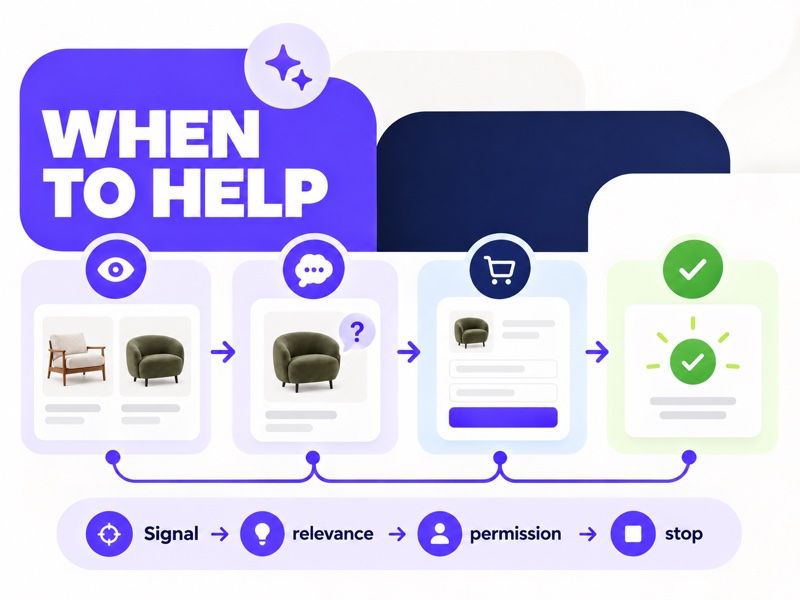
Every intervention should have a single job: clarify a choice, explain a policy, solve a checkout problem, or restore a saved path. If the proposed message cannot name a likely question it helps answer, it is probably generic pressure.
Start with a signal hierarchy. Explicit shopper questions rank highest. Repeated product-comparison behavior may justify a subtle invitation. Mere time on page is a weaker signal and should be handled conservatively. Add frequency caps and a clear way to dismiss assistance.
Upsello's abandoned-cart conversation article addresses recovery after a shopper has left. This piece is about choosing the moment—and the quiet moments—before that happens. Shopify's checkout optimization guide is a useful reminder that structural friction, such as unexpected fees or a difficult mobile form, should be fixed in the checkout itself rather than patched with more messaging.
Measure interruption as well as recovery
Track eligible sessions, prompts shown, accepted help, dismissals, repeat exposure, completed orders, unsubscribes or complaints, and returns. Compare with an eligible holdout when possible. A higher number of chats is not automatically progress if the same shoppers would have bought without a nudge.
Takeaway: The best proactive agent knows when the next sentence would help—and when silence is the better customer experience.
CTA: Explore Upsello's proactive selling moments or discuss your cart journey.


